|
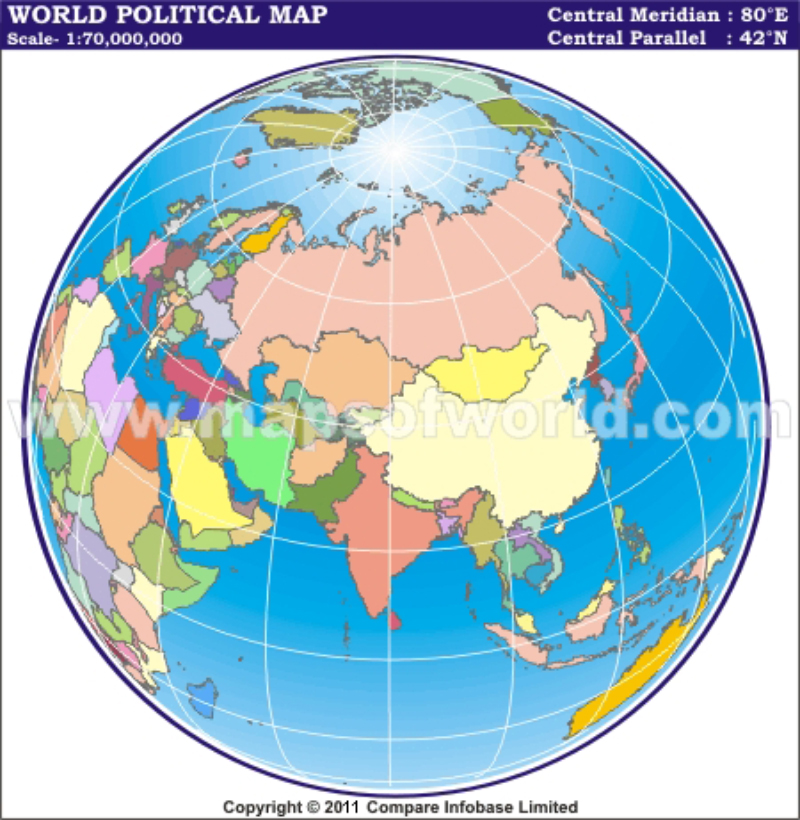
Nepal India relations are cordial throughout the history of the two countries. The two south Asian countries share a common culture. The populations of the two countries bear the same physiognomy and way of life.
Nepal India relations started during ancient historical times. Ancient Indian emperors like the Mauryas and Guptas ruled Nepal. Nepal also tasted British aggression, when it fought the British East Indian Company during the 19th century. The Himalayan country signed a formal agreement with British Colonial India in the form of Treaty of Sagauli in 1925. This treaty was the template of all Indo-Nepali relations until 1950. The year 1950 saw another treaty being signed between Nepal and India. The Treaty of Peace and Friendship guaranteed the two countries to mutually honor their respective territorial integrities and also to maintain free human and economic movement by citizens of the two south Asian countries.
Nepal is a landlocked country. It is dependent upon Indian Naval ports and surface transport facilities to convey essential goods to its own territory. This weakness led King Mahendra of the ruling Shah dynasty in Nepal to actively pursue a policy of non-alignment with both India and its northern neighbor-China. Nepal currently has warm and close relations with India. The value of Nepalese currency is locked to the value of the Indian currency.
|